


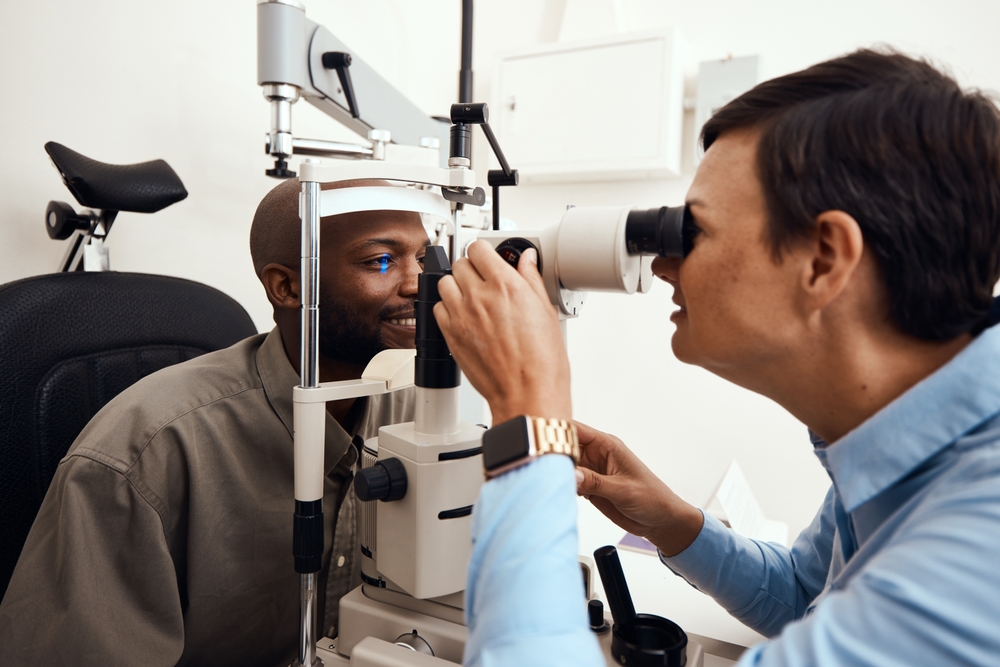
If you’ve ever wondered whether your routine eye exam includes glaucoma screening, the answer is yes. Comprehensive eye exams don’t just check whether you need new glasses or contacts.
They also include several tests specifically designed to detect glaucoma, a serious eye condition that can lead to permanent vision loss if left untreated. The challenging aspect of glaucoma is that it typically presents no symptoms in its early stages, which makes regular eye exams essential for catching it before damage occurs.
At Hayden Vision, comprehensive eye exams include multiple glaucoma screening tests that work together to protect your vision. Keep reading to learn how eye exams test for glaucoma, what each test reveals, and why this screening matters for your long-term eye health.
What Makes Glaucoma So Difficult to Detect?
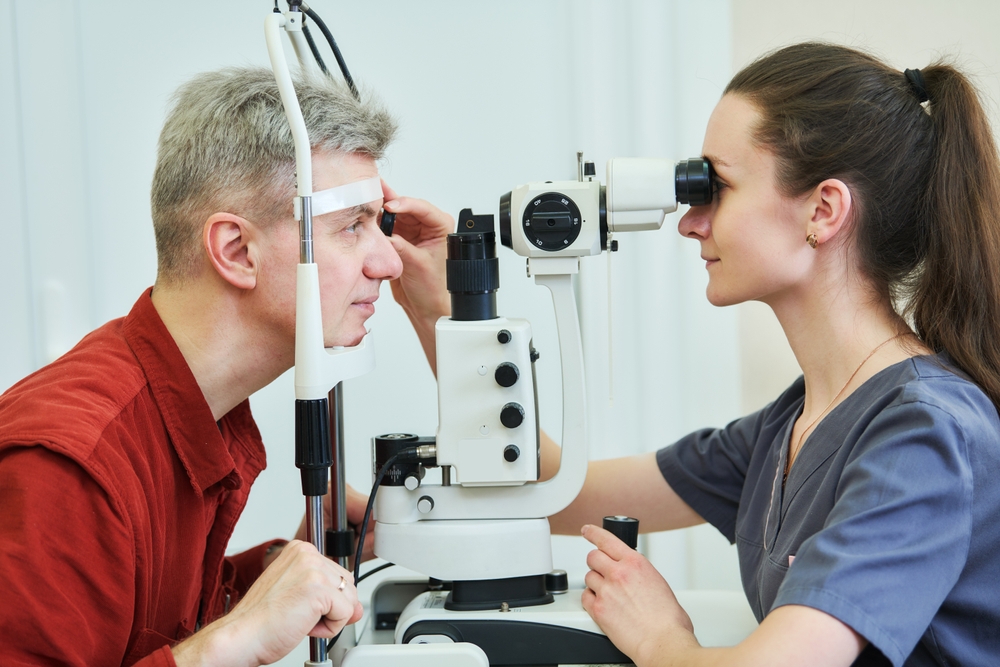
Glaucoma is often called the “silent thief of sight” because it damages your vision gradually and without warning. You likely won’t experience pain, redness, or blurry vision until the disease has already caused significant damage to your optic nerve.
This silent progression makes glaucoma particularly dangerous. By the time you notice vision problems, you may have already lost some of your vision permanently. Optic nerve damage from glaucoma cannot be reversed, which is why early detection through regular eye exams is so important.
The good news is that when glaucoma is caught early through comprehensive screening, treatment can slow or stop its progression.
How Do Eye Exams Test for Glaucoma?
Comprehensive eye exams test for glaucoma using several different screening methods. No single test can diagnose glaucoma on its own. Instead, your eye doctor evaluates results from multiple tests to get a complete picture of your eye health and assess your risk for developing this condition:
Tonometry
Tonometry measures the pressure inside your eyes. Elevated eye pressure is one of the most important warning signs of glaucoma, although not everyone with high pressure develops the condition, and some people develop glaucoma with normal pressure.
During this test, your eye doctor may use eye drops to numb the surface of your eye. Then they use a small instrument to gently touch your cornea and measure the pressure. The test is quick, painless, and takes just a few minutes.
Normal eye pressure typically falls below 22 mmHg (millimeters of mercury). If your pressure measures higher than this, your eye doctor may recommend additional testing or monitoring to assess your glaucoma risk.
Retinal Examination
A retinal examination allows your eye doctor to see the back of your eye, including your optic nerve, retina, and blood vessels. This test is essential for glaucoma detection because it reveals damage to the optic nerve.
Your eye doctor may use special eye drops to dilate your pupils, which opens them wider for a clearer view. During the retinal examination, your eye doctor looks at the color, size, and shape of your optic disc and examines the blood vessels. They can identify early signs of optic nerve damage that indicate glaucoma.
Visual Field Test
Visual field testing checks whether you have difficulty seeing in any areas of your peripheral vision. This test is performed based on information gained during your comprehensive exam and helps determine if glaucoma has already caused vision loss.
Your eye doctor may ask you to look straight ahead at a specific point while reporting whether you can see objects or lights appearing in your side vision. Some visual field tests use specialized equipment where you look into a machine and respond when you see flashing lights at different locations.
Specific patterns of peripheral vision loss can indicate glaucoma and help your eye doctor assess how advanced the condition has become.
Slit-Lamp Examination
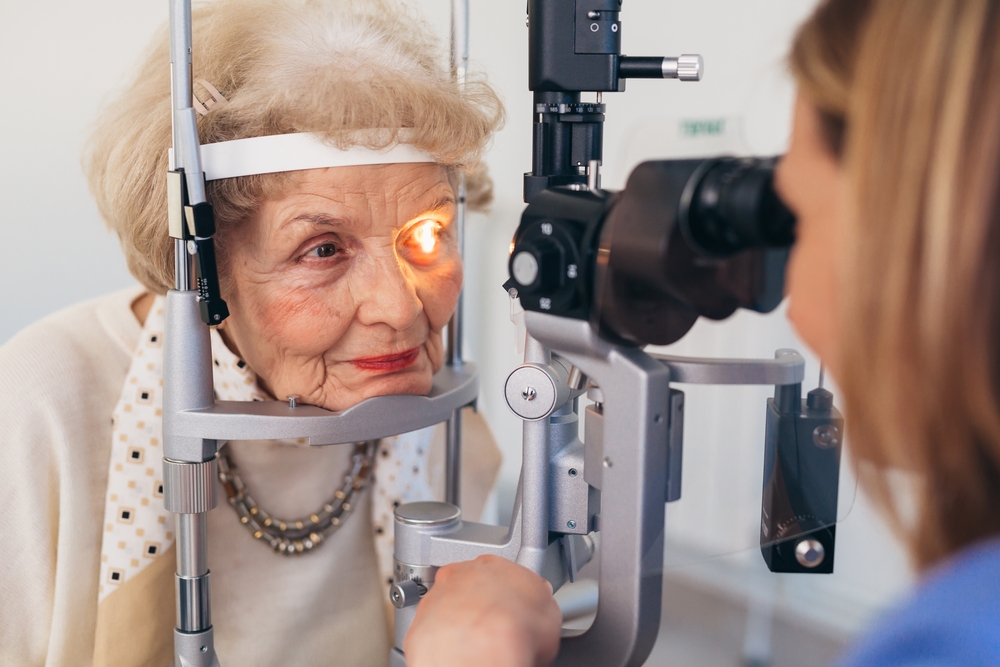
A slit-lamp examination uses a specialized microscope with an intense line of light to examine the structures at the front of your eye. This test allows your eye doctor to see your cornea, iris, lens, and anterior chamber in great detail.
For glaucoma screening, the slit-lamp examination is particularly important for viewing the angle where your cornea meets your iris. This is where your eye’s drainage system is located. If this angle is narrow, fluid cannot drain properly from your eye, which leads to increased pressure.
Advanced Imaging When Needed
If your initial screening tests suggest you may have glaucoma or be at high risk, your eye doctor may recommend more specific tests. Optical coherence tomography (OCT) is an advanced imaging technique that creates detailed pictures of your retina and optic nerve, allowing your doctor to map each layer of tissue and detect even subtle changes.
Who Needs Glaucoma Screening?
Everyone benefits from regular glaucoma screening, but certain factors increase your risk and may require more frequent testing. You face a higher risk if you’re over 40, have a family history of glaucoma, are of African or Asian descent, have diabetes, have high blood pressure, or have a history of eye injury or complicated eye surgery.
The American Academy of Ophthalmology recommends that people at risk for glaucoma have complete eye exams on the following schedule:
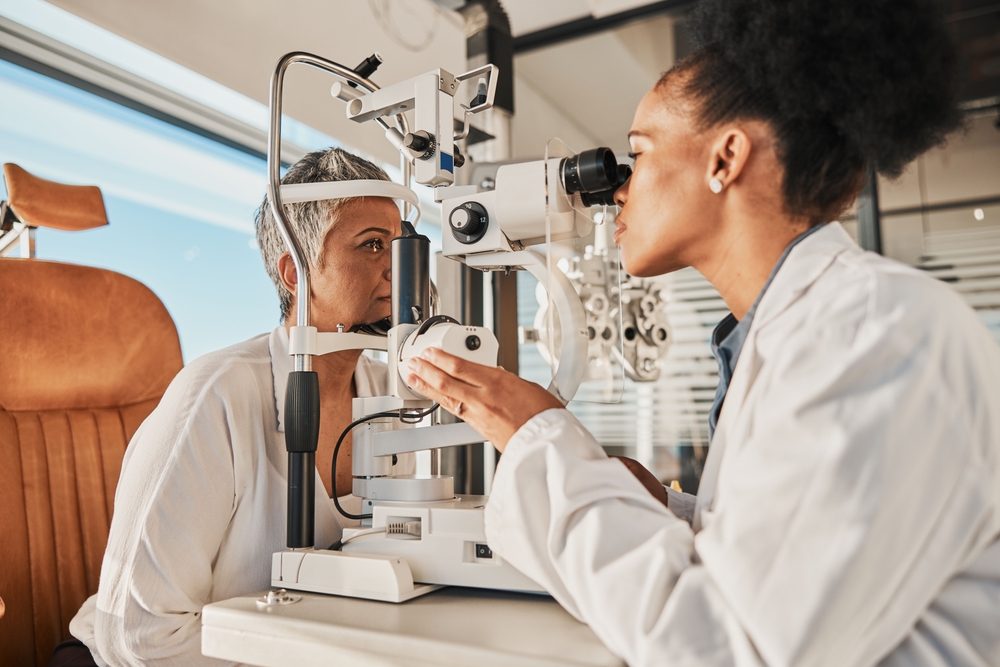
- Between the ages of 40 and 54, you should have an exam every one to three years
- From ages 55 to 64, schedule exams every one to two years
- Once you reach age 65 or older, you should have eye exams every six to 12 months.
If you have multiple risk factors or a family history of glaucoma, your eye doctor may recommend more frequent screening. At Hayden Vision, we will create a personalized screening schedule based on your individual risk factors and eye health.
Are you due for a comprehensive eye exam? Schedule your appointment at Hayden Vision in Evansville, IN, today!