



If you’ve spent years depending on glasses or contact lenses for clear vision, you may have wondered whether a longer-lasting solution is possible. For many people with nearsightedness or astigmatism, EVO ICL delivers clarity and freedom that exceeds expectations.
However, like any vision correction procedure, it works best for patients who meet specific criteria. Knowing what makes a good EVO ICL candidate is the first step toward deciding whether it’s worth exploring for yourself.
Keep reading to learn what your eye doctor looks for during an EVO ICL evaluation, and what you can expect from the consultation process at Hayden Vision.
What Is EVO ICL?

EVO ICL is a small, flexible lens made from a material called Collamer, a biocompatible blend of collagen and polymer. Unlike LASIK, which uses a laser to reshape the surface of the cornea, the EVO ICL is placed inside the eye.
It sits behind the iris and in front of the eye’s natural crystalline lens, working alongside your existing eye structures to focus light accurately on the retina. Because this procedure does not remove corneal tissue, it is an option for patients who have been told they are not eligible for LASIK due to thin corneas, dry eye, or prescriptions that fall outside traditional treatment ranges.
Who Is a Good Candidate for EVO ICL?
Determining EVO ICL candidacy requires a thorough eye examination and a review of your medical history. Several specific criteria must be met before your eye doctor can confidently recommend the procedure:
Age
Patients must be between 21 and 60 years old to undergo EVO ICL surgery. The minimum age reflects the need for a stable prescription, since vision often continues to shift through adolescence and early adulthood.
Prescription Stability
Your nearsightedness and astigmatism must be stable for at least one year before surgery. If your prescription is still fluctuating, your eye doctor will likely recommend waiting until it settles before proceeding.
Prescription Range
EVO ICL is designed to correct nearsightedness ranging from -3.0 to -20.0 diopters and astigmatism ranging from 1.0 to 4.0 diopters. However, the EVO ICL cannot correct farsightedness or presbyopia.
Eye Anatomy
The space between the back of your cornea and the front of your natural lens is called the anterior chamber. This measurement must be at least 3.0 millimeters to safely accommodate the EVO ICL. If your eye’s anatomy does not provide enough space, implanting the lens would create risks, and surgery would not be recommended.
Corneal Endothelial Cell Density
The innermost surface of the cornea is lined with a single layer of cells called endothelial cells. These cells keep the cornea clear by continuously pumping fluid out of it, and they do not regenerate once lost.
Before surgery, your eye doctor will measure your endothelial cell density and compare it with age-specific minimum thresholds. Patients with cell counts below the acceptable level are at greater risk of corneal swelling after surgery, which, in severe cases, can permanently affect vision.
Disqualifying Eye Conditions
Certain conditions make EVO ICL surgery inadvisable regardless of other factors. These include glaucoma, active inflammation inside the eye (iritis or uveitis), diabetic retinopathy, a previous corneal transplant, and a history of retinal detachment.
Patients with elevated intraocular pressure or signs of pigment dispersion inside the eye are also typically not candidates. Your eye doctor will review your complete eye health history to assess each of these areas.
Pregnancy and Nursing
Pregnant or nursing women should not undergo EVO ICL surgery. Hormonal changes during this time can temporarily affect vision, which means measurements taken during pregnancy or while breastfeeding may not accurately reflect your stable prescription. Surgery should be postponed until after both have concluded.
Is EVO ICL a Good Option If You Can’t Have LASIK?
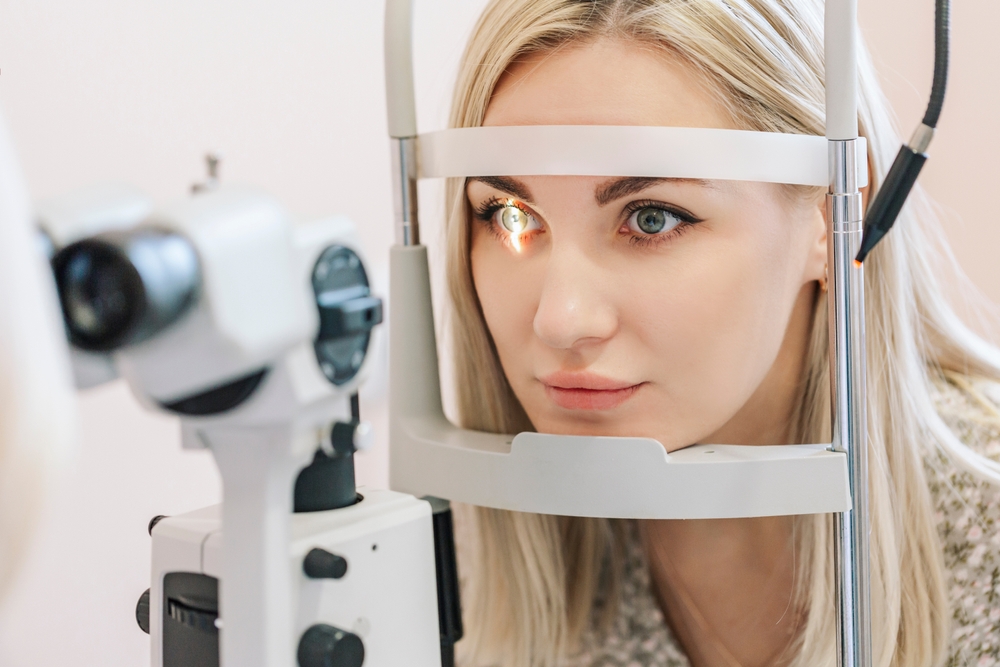
Many patients who are not eligible for laser vision correction find that EVO ICL is a viable path forward. LASIK uses a corneal flap to access and change the shape of the eye’s stroma, so patients with thin corneas are at risk of structural instability if they undergo the procedure. EVO ICL is an additive procedure: no corneal tissue is removed, and the cornea remains fully intact.
Dry eye syndrome is another frequent reason patients are turned away from LASIK. Laser surgery can worsen dry eye symptoms during recovery, and severe cases may disqualify a patient entirely. The EVO ICL procedure does not carry the same dry eye risk, making it a suitable alternative for patients with mild to moderate dry eye.
Patients with higher prescriptions that fall outside LASIK’s effective treatment range also frequently find that EVO ICL can address their level of nearsightedness when laser surgery cannot. If you have been told you are not a LASIK candidate, it is worth asking your eye doctor whether EVO ICL might be a good option for you.
What to Expect During Your EVO ICL Consultation at Hayden Vision
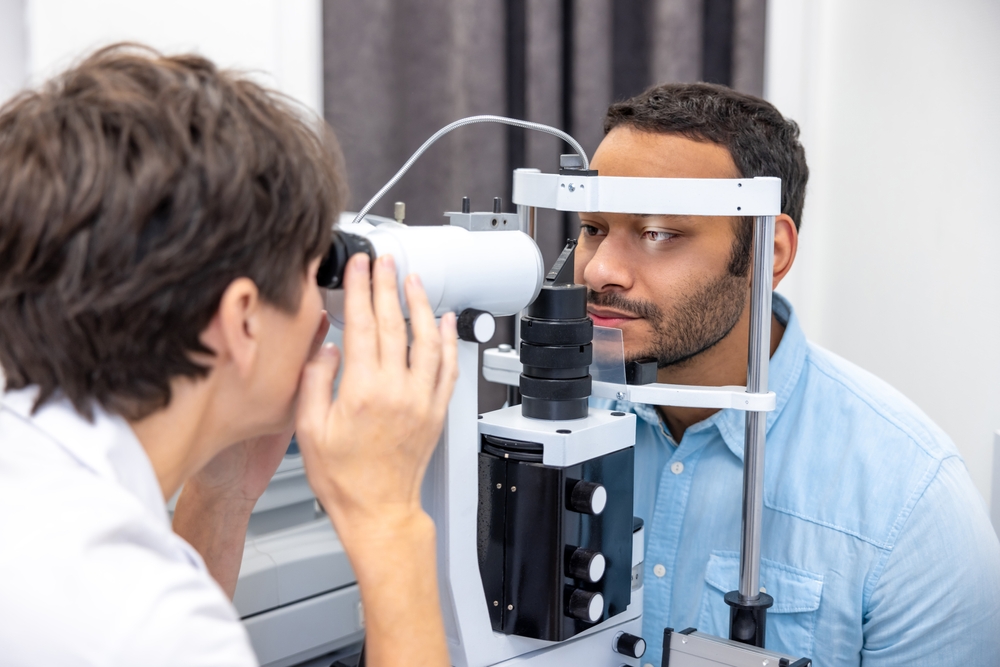
The EVO ICL consultation at Hayden Vision is thorough and designed to give you a complete picture of your eligibility and expected outcomes. Your eye doctor will measure your anterior chamber depth, assess your corneal endothelial cell density, map your eye’s anatomy, and review your prescription history and medical background in full.
This information allows the team to determine not only whether you are a candidate, but also which lens size and prescription power will deliver the best result for your individual eye. If you are found to be a good candidate, your eye doctor will walk you through the procedure in detail, including the recovery process and the realistic outcomes you can expect.
If you have been looking for a vision correction option that goes beyond glasses, contacts, or traditional laser surgery, EVO ICL may be worth exploring. Schedule a consultation at Hayden Vision in Evansville, IN, today to learn whether you’re a good candidate!